

NEWS ROUNDUP
21st November 2025 | Journal Of Sales Transformation
What is workslop?
A recent article in Harvard Business Review coins a new term: “workslop” – poor-quality but plausible-looking work created using AI that is not fit for purpose. HBR defines workslop as “AI-generated work content that masquarades as good work but lacks the substance to meaningfully advance a given task”.
Research by the BetterUp Labs team, in collaboration with the Stanford Social Media Lab, found that, while many employees use AI to polish good work, others have used AI in such a way that it produces work that is “unhelpful, incomplete, or missing crucial context about the project at hand”, so creating more work for colleagues downstream and transferring the real effort from the creator to the recipient. And, of course, this could be extremely damaging in a sales context.
Some statistic stands out in the recent HBR survey: about half of those surveyed viewed colleagues who sent workslop as “less creative, capable, and reliable than they did before receiving the output”, while 42% saw them as “less trustworthy, and 37% saw that colleague as less intelligent”. All of which will have a terrible impact on your personal brand!
Peak of inflated expectations
AI agents for sales are currently experiencing what analyst Gartner calls the “peak of inflated expectations”.
The technology promises to revolutionize sales by autonomously planning and executing tasks, moving beyond the limitations of traditional AI assistants. Sales organizations commonly see these agents as proactive partners capable of independent work and human-like reasoning to drive revenue. Powered by large language models (LLMs), these autonomous or semi-autonomous software entities use advanced AI techniques to perceive, decide, and act within digital sales environments.
According to Gartner, the rapid surge in investment from major platform vendors and stakeholders since 2024 has fuelled high hopes for AI agents in sales. However, the analyst currently places the technology firmly within the Peak of Inflated Expectations sector of its wellknown “hype cycle” technology maturity chart. Right now, the anticipated capabilities of these agents often outpace current technological realities, Gartner tells the Journal.

Christmas toy story
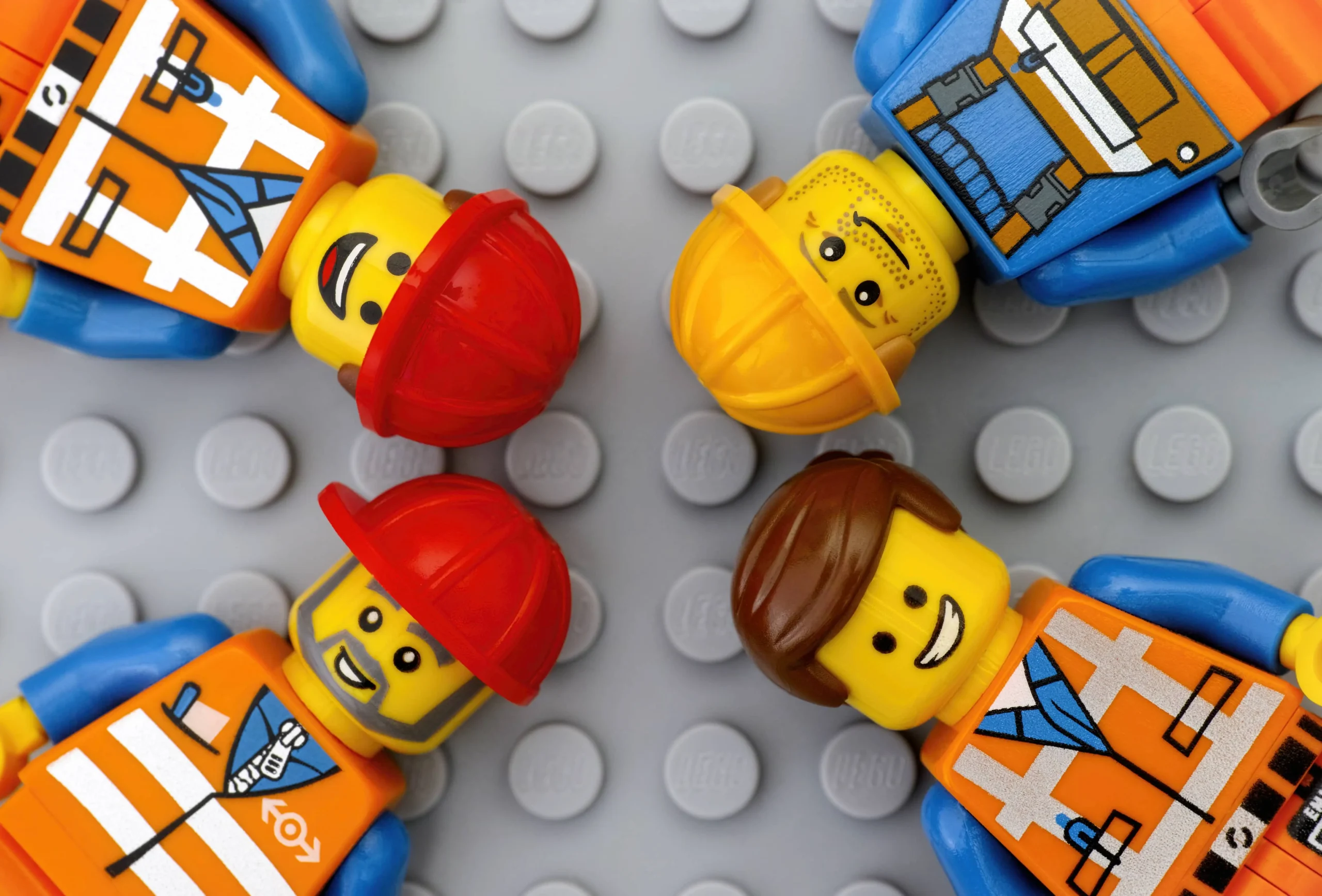
It’s not just kids who like toys. So-called “kidults” have been helping to boost sales, which have risen for the first time since the pandemic, with some manufacturers targeting a sweet spot for toys that appeal to both children and adults.
With the retail sector’s Golden Quarter well underway, analyst Circana’s latest data reveals that the UK toy market has regained its magic, growing to £3.9bn, up 3% in the latest 12 months (to August 2025) and up 6% between January and August 2025, setting the stage for a strong finish to the year.
Christmas remains the cornerstone of the toy calendar, accounting for £0.9 billion or 23% of annual sales (the last 12 months to June 2025). With Christmas Day falling on a Thursday this year, retailers will be anticipating an extended window for shoppers to snap up toys in the final stretch of December, Circana adds.
